


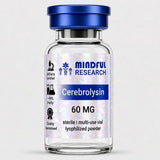
Cerebroprotein hydrolysate is a mixture of low-molecular-weight peptides and free amino acids used as a reference material in in-vitro neuronal-culture research. This profile describes how such a mixture is characterized in the laboratory.
What is cerebroprotein hydrolysate?
Unlike a single synthetic peptide, cerebroprotein hydrolysate is a defined mixture of small peptides and amino acids. In research it is used as a reference material in neuronal cell-culture studies and is described here strictly as a laboratory material.
How is a mixture studied in vitro?
Because it is a preparation rather than one molecule, research characterizes it at two levels: its composition, and its behavior in neuronal cell cultures measured by signaling and cell-viability assays run with defined controls.
How it differs from a single peptide
A single peptide is defined by one sequence; a mixture is defined by its components and their proportions. That distinction shapes how the material is standardized and studied in vitro.
Handling in the lab
Follow the Certificate of Analysis for storage, keep the material cold, and prepare working solutions fresh for in-vitro assays to maintain consistency across experiments.
Related research guides
- Nootropic research compounds: receptor targets and in-vitro models
- Selank: synthetic peptide for neuronal research
- Racetams vs. research peptides: targets and assays
Research-use note
Cerebroprotein hydrolysate is supplied as a research material for in vitro research use only. It is not for human or animal use.