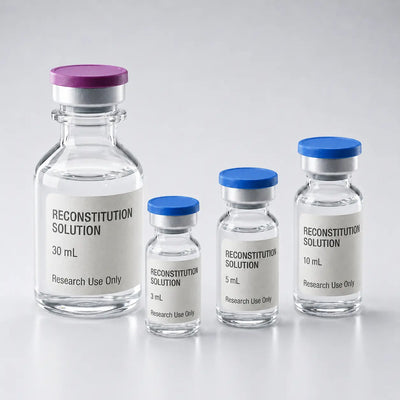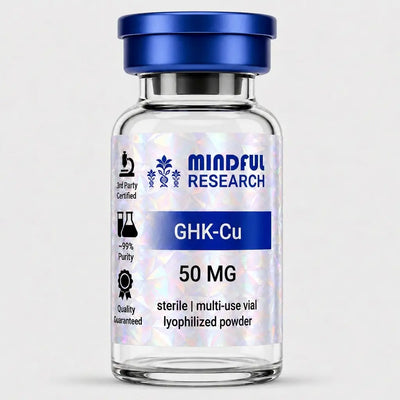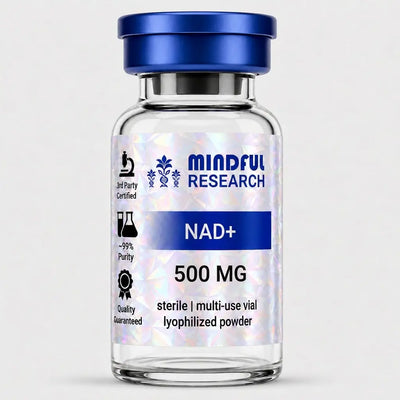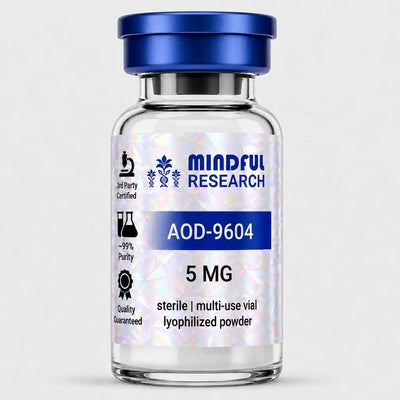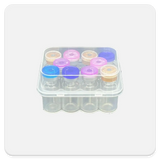
Research peptide vials are best stored in rigid, sized storage boxes and padded cases that protect the vials from impact and light and keep a collection organized by position. This guide covers the options and how to choose.
Why dedicated vial storage?
Peptide vials are small, fragile, and often cold-stored. A dedicated vial storage box holds each vial in a fixed slot, which prevents impacts, keeps vials upright, and makes a collection easy to inventory.
The main formats
- Hard storage boxes: rigid cases with slotted inserts sized to a vial diameter (e.g. 10 mL or 3 mL vials).
- Padded cases: cushioned carriers (7- or 9-slot) for protecting vials in transport.
- Trays and holders: open-top organizers for bench-side work.
How to choose
Match the slot size to your vial diameter, the slot count to your collection size, and the construction to whether vials stay on a shelf or travel. Clear, hard plastic protects against light and impact while letting you read labels.
Where to buy
Happy Peptides stocks a hard vial storage box and padded cases sized for research vials.
Related research guides
- Choosing a 10 mL vial storage box
- 3 mL vial holders & trays
- Padded cases for transport & cold-chain
- Labeling & inventory for a vial collection
Research-use note
All materials discussed are supplied for in vitro laboratory research use only, and are not for human or animal use.