
Peptide Research
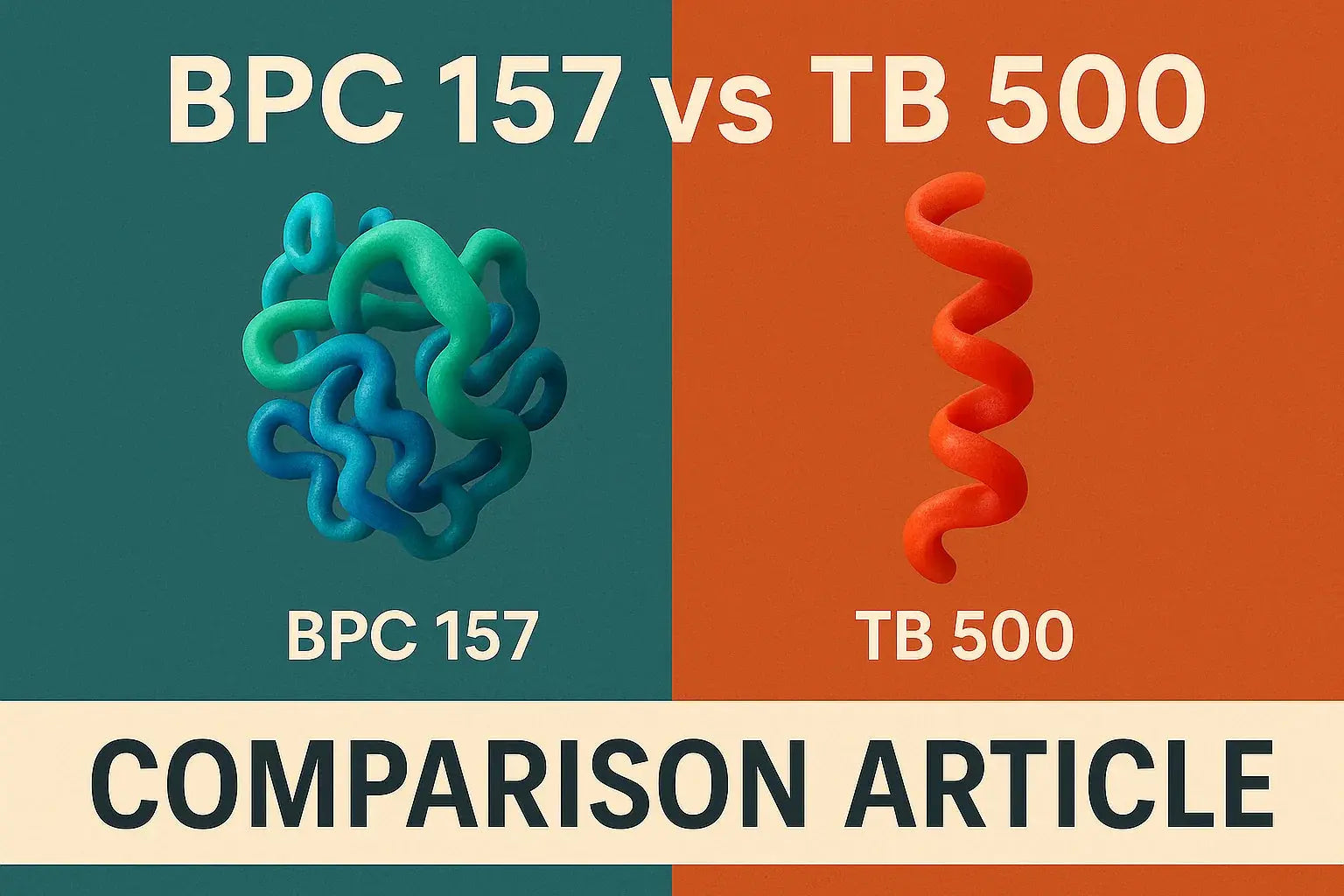 This research guide compares BPC-157 and TB-500, two synthetic peptides studied for tissue repair and regenerative medicine applications. The article examines their molecular structures, mechanisms of action, and research findings across tissue regeneration, inflammation control, and wound healing. BPC-157 shows localized effects on tendons, muscles, and gut tissue, while TB-500 demonstrates systemic action through cell migration and vascular growth. The guide covers safety profiles, reported reactions, and future research directions, emphasizing that both compounds remain experimental with limited human clinical data. All content focuses on in-vitro research applications only.
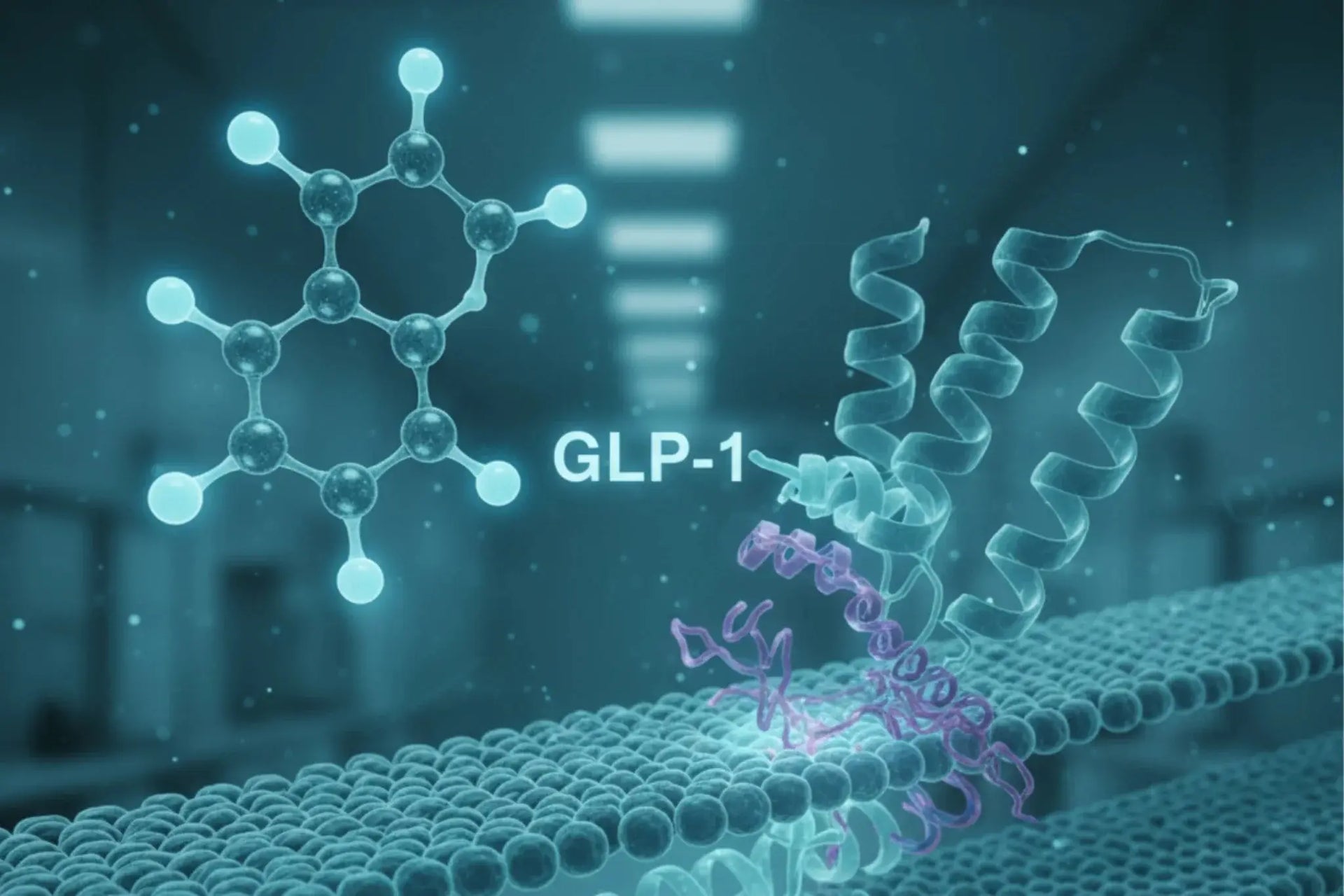 This research overview examines GLP-1 peptides and their expanding role in metabolic science beyond diabetes research. The guide covers peptide classification and structures, including short-acting (exenatide) and long-acting analogs (liraglutide, semaglutide), plus dual agonists like tirzepatide. It details molecular mechanisms through GLP-1 receptor signaling, cAMP pathways, and neuroendocrine interactions that regulate appetite and glucose metabolism. The article explores emerging research directions including multi-agonist peptides, machine learning applications in peptide discovery, and long-term safety considerations in laboratory models. All content emphasizes in-vitro applications for research purposes only.
 This research guide examines growth hormone secretagogues and their mechanisms for stimulating natural GH production through specific receptor pathways. The article covers two main categories: GHS-R receptor agonists (ipamorelin, MK-677) and GHRH receptor agonists (sermorelin, CJC-1295), detailing their molecular structures and selectivity profiles. Laboratory applications include fibroblast assays for collagen synthesis, wound-healing protocols, and GLP-1 signaling measurements. The guide also explores related peptides like GHK-Cu, Matrixyl, and Argireline for collagen research, plus current clinical studies examining safety profiles and therapeutic applications. All content focuses on laboratory research use only.
 This research guide examines GHK-Cu, a copper-binding tripeptide that modulates over 30% of human gene expression through specific molecular pathways. The article covers molecular structure, copper(II) binding mechanisms, and cellular signaling effects on collagen synthesis, tissue repair, and antioxidant activity. Laboratory applications include fibroblast-based regeneration models, wound-healing assay protocols, and comparative peptide research strategies. The guide details experimental parameters for testing collagen production (1-100 μM concentrations, 24-72 hour protocols), MMP activity measurement, and angiogenesis readouts. All content focuses on in-vitro laboratory research applications only.
-
A Researcher's Guide to Sermorelin: Structure and In Vitro Applications

