Selank is a short synthetic peptide used as a reference compound in in-vitro neuronal-model research. This profile describes it by sequence and by the laboratory systems used to study it.
What is Selank?
Selank is a short peptide defined by a specific amino-acid sequence. In research it is used as a reference compound in neuronal cell-culture studies, and it is described here strictly as a laboratory material.
How is Selank studied in vitro?
Researchers characterize it with signaling assays, gene-expression readouts on cultured neuronal lines, and general cell-culture experiments. These measurements describe the peptide's behavior in a controlled in-vitro system.
What defines it molecularly?
Its amino-acid sequence, which determines its solubility, stability, and interactions with the targets examined in the assays above.
Handling in the lab
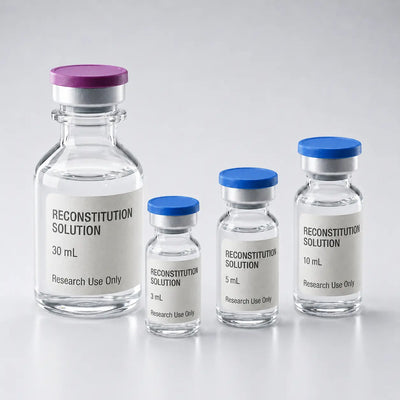
Selank is supplied lyophilized. Store cold, reconstitute with a peptide-grade solution, and aliquot into single-use volumes to avoid repeated freezing and thawing.
Related research guides
- Nootropic research compounds: receptor targets and in-vitro models
- Semax: a short peptide and its research targets
- Cerebroprotein hydrolysate: a neurotrophic peptide mixture
Research-use note
Selank is supplied as a research material for in vitro research use only. It is not for human or animal use.