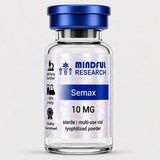
Semax is a short synthetic peptide used as a reference compound in in-vitro neuronal-model research. This profile describes it by its sequence and the laboratory systems used to study it.
What is Semax?
Semax is a short peptide defined by a specific amino-acid sequence. In research it serves as a reference compound in neuronal cell-culture studies. It is described here strictly as a laboratory material.
How is Semax studied in vitro?
Characterization uses standard cell-model tools: signaling assays that track intracellular pathways, gene-expression readouts that measure transcriptional changes in cultured neuronal lines, and general cell-culture experiments. These describe how the peptide behaves in a controlled laboratory system.
What defines it at the molecular level?
Its short amino-acid sequence. As with any peptide, the sequence determines solubility, stability, and how the molecule interacts with the targets studied in vitro. For the full sequence (MEHFPGP), molecular formula and naming, see the Semax structure, naming and identity reference.
Handling in the lab
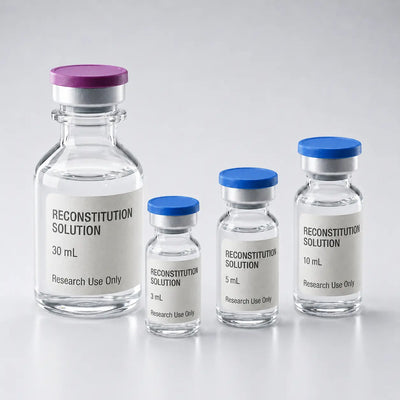
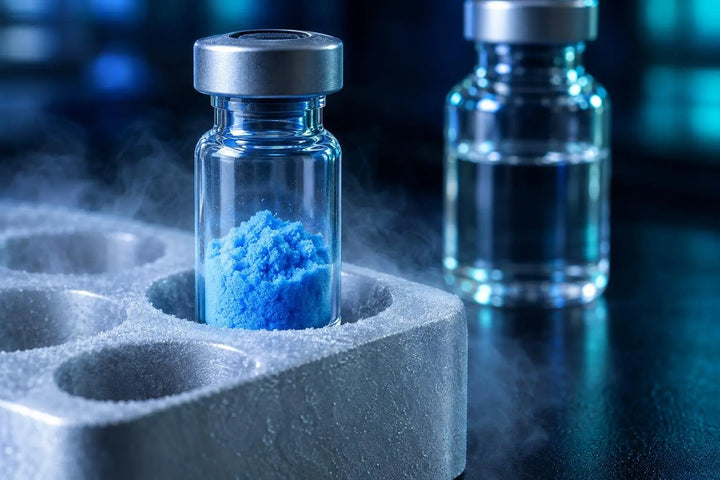
Semax is supplied lyophilized. Store it cold, reconstitute with a peptide-grade solution, and aliquot into single-use volumes to avoid repeated freezing and thawing, which can degrade peptides.
Related research guides
- Semax: structure, naming and identity
- Nootropic research compounds: receptor targets and in-vitro models
- Selank: synthetic peptide for neuronal research
- Racetams vs. research peptides: targets and assays
Research-use note
Semax is supplied as a research material for in vitro research use only. It is not for human or animal use.